
Technology
Dados AS (Data as a Service): Meaning, Benefits, How It Works & Why It Matters

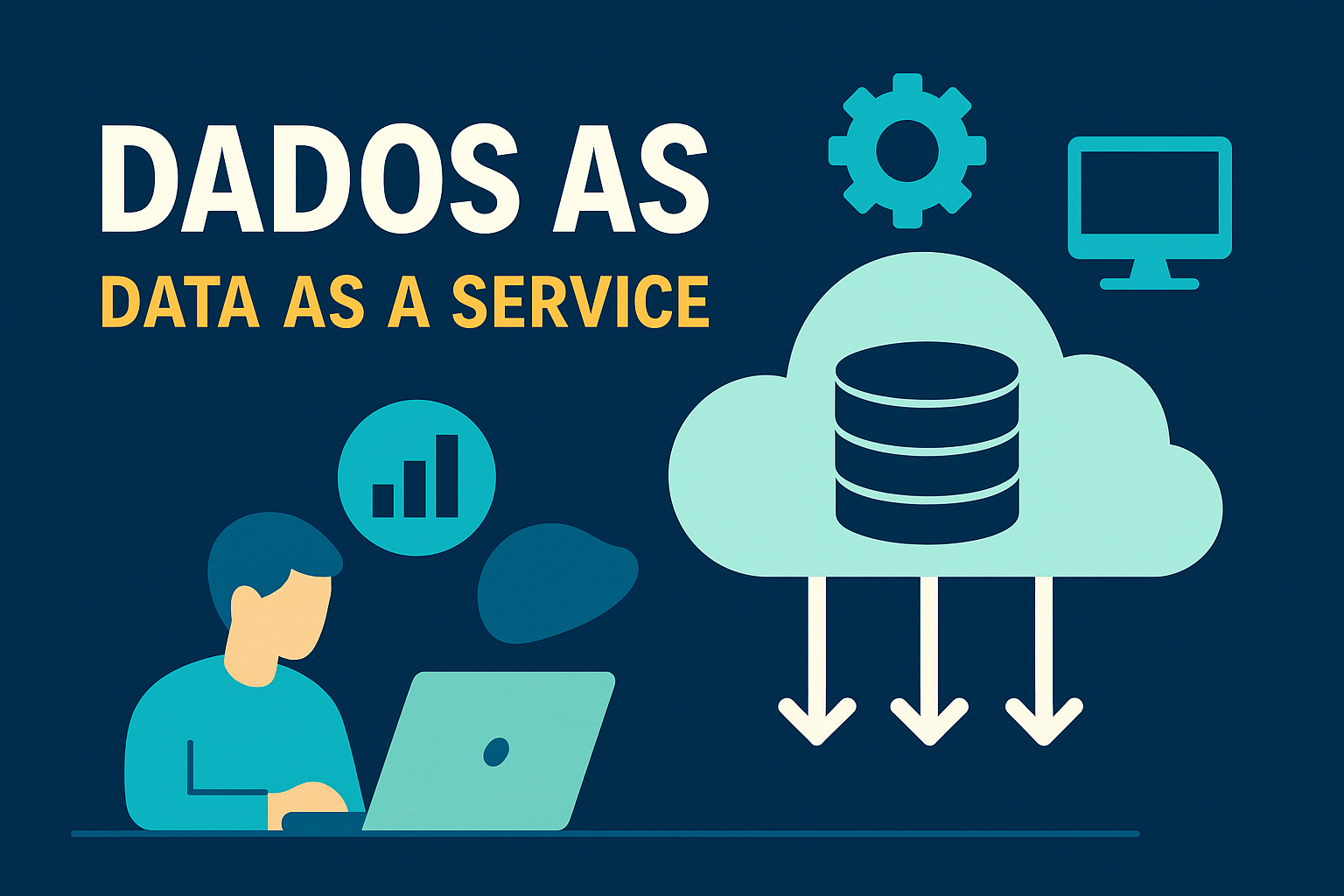
What Is Dados AS?
In today’s digital world, data powers nearly everything: online shopping, banking, apps, healthcare, logistics, entertainment, and social platforms. But raw data alone isn’t helpful until it is stored properly, structured, secured, and made accessible at the right time.
That’s exactly where Dados AS becomes important.
The term “dados” simply means “data” in Portuguese and Spanish, and it has become a globally searched keyword referring to the modern cloud model known as Data as a Service (DaaS). Instead of companies storing and managing their own data on physical servers, they access data directly from secure cloud-based platforms.
So, if someone asks “What does DaaS mean?”, the simplest answer is:
DaaS (or Dados AS) means accessing and using data through the cloud without needing to store it locally.
This approach allows businesses to subscribe to data access — just like subscribing to Netflix — without owning hardware or maintenance systems.
Why Cloud-Based Data Services Are Game Changers
Modern companies generate massive amounts of data, sometimes more than they can handle. With cloud-based models:
- Scaling becomes easy
- No huge hardware cost
- Employees anywhere in the world can access the same live data
- Reports become instant
- Security updates and backups are handled by experts
Because almost every modern industry relies on data, this approach allows companies to stay flexible and competitive.
How Dados AS Works: From Data Creation to Usage
To understand the process, imagine three stages:
- Data is generated through apps, websites, smart devices, CRM systems, and software.
- The data is uploaded to secure cloud storage, where it is cleaned, organized, processed, and protected.
- Users access the final usable data through dashboards, reports, APIs, analytics platforms, or AI tools.
With this method, companies don’t worry about file storage, maintenance, or software upgrades — everything runs on the cloud.
Real-World Examples
E-Commerce:
Online stores use cloud analytics to understand customer behavior, product performance, trending items, and reasons shoppers abandon carts.
Healthcare:
Hospitals and clinics securely store patient history online, making it easier for doctors to access records across different locations while protecting privacy.
Artificial Intelligence:
Developers train large AI models using cloud datasets instead of manually collecting thousands of files.
Platforms like Snowflake and AWS Data Exchange are widely used for these use cases, offering secure and scalable cloud-based data delivery.
Major Benefits for Businesses
Some key advantages of Dados AS include:
- No need for physical storage infrastructure
- Fast scaling as data grows
- Better collaboration across remote teams
- Faster reporting and insights
- Strong encryption and global compliance
- Pay-only-for-usage pricing model
Businesses can focus on innovation rather than storing and protecting data.
When Data Becomes a Product
One growing concept related to Dados AS is data as a product.
If someone asks “What is meant by data as a product?”, the idea is simple:
Data becomes something valuable, packaged, documented, and ready for others to use — just like a digital product.
For example, weather forecasting companies sell climate data to airlines and agriculture companies. That information becomes a revenue source — not just a record.
Where Dados AS Fits into the Cloud Ecosystem
There are different “as-a-service” models:
- SaaS (software like email or productivity tools)
- IaaS (online hosting or computing resources)
- PaaS (developer platforms)
- And finally, cloud-based data access where the data itself is the service
This shows how technology is shifting away from ownership and moving into subscription-based accessibility.
A helpful industry overview on the evolution of this trend can be explored at:
Sprinkle data
The Future of Dados AS (2025-2030)
Over the next decade, cloud-based data services will power:
- Smart city infrastructures
- Real-time AI-driven automation
- Healthcare intelligence
- Self-driving transport networks
- Business forecasting and personalization
Instead of asking “Where is our data stored?”, organizations will ask:
“How fast can our data help us make decisions?”
Challenges and Realistic Considerations
While powerful, this model still includes challenges:
- Internet dependency
- Subscription costs for heavy usage
- Data compliance and privacy regulations
- Need for analytics skills in teams
However, modern interfaces and no-code tools are making data access easier, even for non-technical users.
People Also Ask
If you search Dados AS online, people commonly ask:
- What is the meaning of data as a service?
It means accessing and using data from cloud platforms instead of storing it locally. - What is DaaS with an example?
For example, an online business using a cloud platform to analyze customer behavior without creating its own storage system. - What does DaaS mean?
It stands for Data as a Service, a subscription-based cloud delivery model. - What is meant by data as a product?
It refers to treating data as something useful, packaged, shared, and sometimes even sold.
Quick FAQ
Q: Can small businesses use Dados AS?
Yes — even startups benefit since it removes costly infrastructure.
Q: Is cloud-based data secure?
Modern platforms use encryption, backups, access control, and compliance to protect data.
Final Thoughts
We have entered a time where data isn’t just stored — it is used, shared, monetized, and constantly evolving. Dados AS provides the flexibility, security, and scalability needed to support modern digital systems.
Whether you’re building a startup or running a global company, adopting cloud-based data access can help improve decisions, reduce cost, and stay future-ready.
\Aslo Read:Corporate Software Inspector: The Complete Guide for Modern Businesses

-

 Celebrity Net Worth2 months ago
Jami Gertz: From Hollywood Actress to Billion-Dollar Investor and NBA Team Owner
-

 Celebrity Net Worth2 months ago
Mike Vitar, Biography ,Net Worth & Life After The Sandlot
-

 Celebrity Net Worth2 months ago
Dan Newlin Net Worth 2026: Lawyer’s Wealth, Career, and Success Story
-

 Celebrity Net Worth2 months ago
Tommy Mottola Net Worth: A Deep Dive Into His Wealth, Career & Legacy