
BLOG
Ancient Artz Humanity’s Timeless Canvas of Culture, Craft & Meaning

Introduction
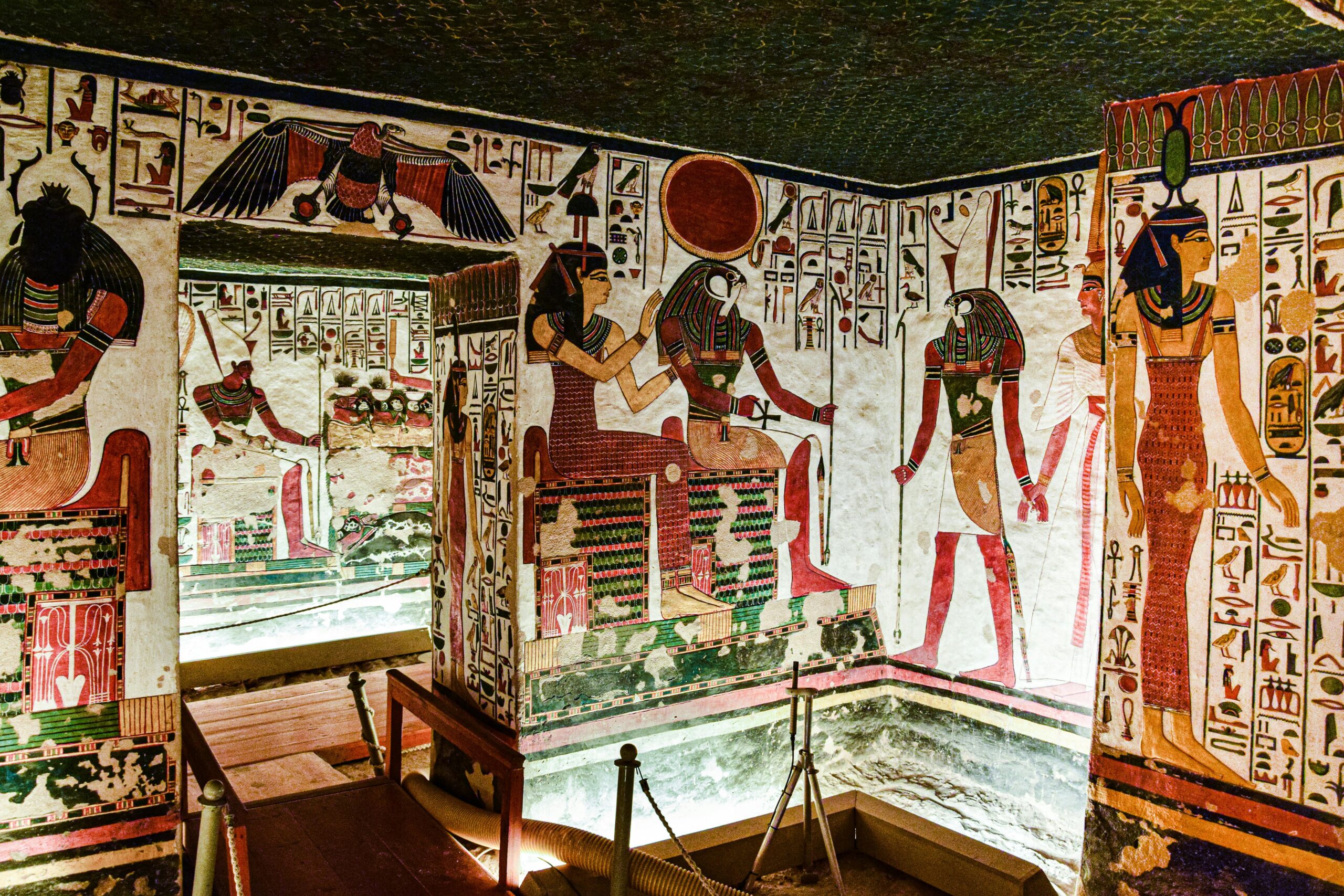
Art is the oldest language we humans have. Way before anyone invented writing, words, or even books, people were already sharing their feelings, ideas, and stories through colors, shapes, and simple symbols. Think about those ancient cave paintings or detailed carvings—they were our very first way of saying what really mattered to us.
Ancient Artz is all about that endless chat across generations—the burst of creativity that built entire civilizations, shaped religions, and still influences how we see beauty, purpose, and truth today.
Diving into ancient art feels like holding up a mirror to ourselves. It shows our deepest thoughts, beliefs, and the long, winding path of human history.
1. What Ancient Artz Really Means: Way More Than Just “Old Stuff”
Ancient Artz isn’t limited to dusty paintings or statues in museums. It covers everything people crafted to share something deeper—think pottery, grand buildings, woven textiles, shiny jewelry, engraved carvings, beautiful calligraphy, and so much more.
Every piece had a tale to tell. Each stroke of a brush, tap of a chisel, or etched symbol carried real weight—it could show power, faith, raw emotion, or big philosophical ideas.
Unlike a lot of modern art that hangs quietly in galleries, ancient creations were woven right into daily life. You’d find them in temples, tombs, homes, and bustling markets. They taught lessons, guided rituals, and linked people to the spiritual side of things.
2. The Spark of Creative Thinking
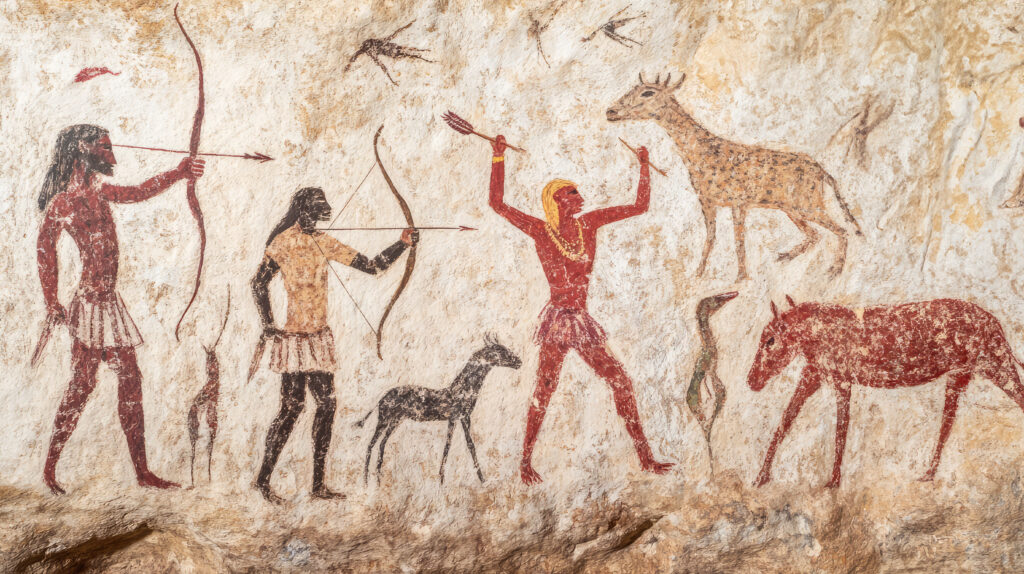
Long before cities or societies popped up, humans were already leaving their mark. They splashed paint on cave walls, shaped little clay figures, and decorated their tools. These early creations mixed practical needs with spiritual vibes and a drive to survive—they’re the first signs of true human imagination.
That shift from basic scratches to meaningful symbols? That’s when abstract thinking kicked in. People started expressing ideas that went beyond just eating and staying alive. It was the baby steps toward building civilizations.
3. How Different Civilizations Expressed Themselves Through Art
Mesopotamia: Honoring Gods and Kings
Down between the Tigris and Euphrates rivers, art was all about the divine and royalty. Tiny cylinder seals, carved reliefs, and massive ziggurats weren’t just pretty—they sealed deals between people and gods, recorded big events, and showcased power and faith.
Egypt: Chasing Eternal Life
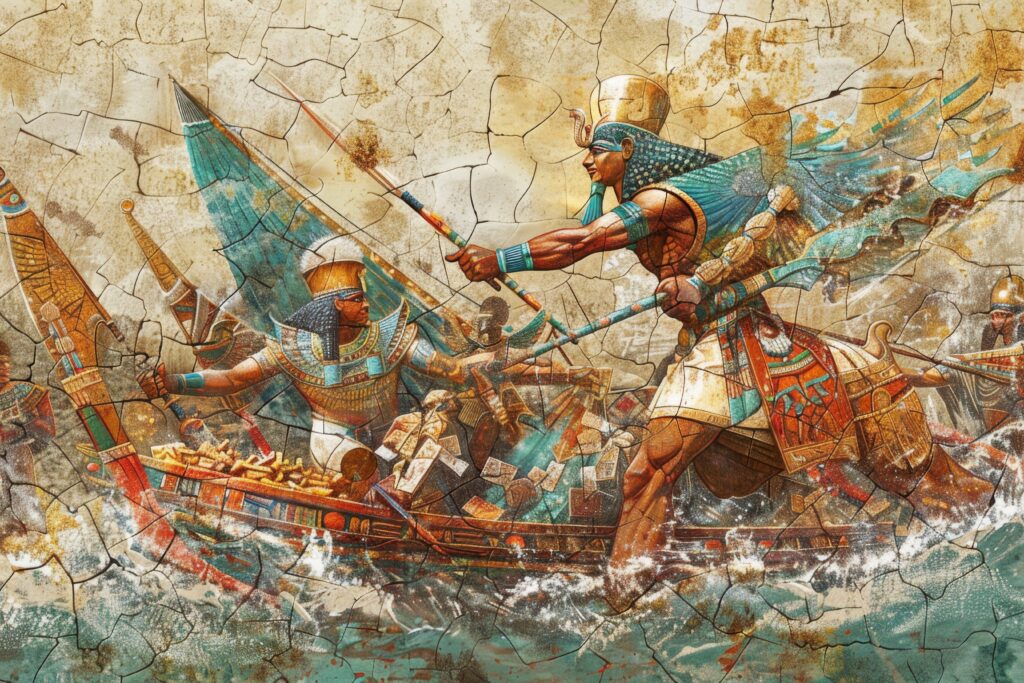
Egyptians created art to last forever. Pyramids, vibrant tomb walls, and hieroglyphics stuck to strict rules of proportion to mirror the universe’s perfect balance and godly order. Every little detail had a spiritual meaning, blending creativity seamlessly with religion.
Greece and Rome: Celebrating the Human Side
Greeks saw the body as ideal geometry, capturing perfect beauty and harmony. The Romans took it further, portraying real folks, everyday scenes, and huge buildings. Art started telling the story of society itself, not just the gods.
India: Blending Spirit and Rhythm
From the ancient Indus Valley seals to the stunning Khajuraho temples, Indian art wove together philosophy, flowing rhythms, and pure devotion. Sculptures and wall paintings explored the link between our short lives and the vast cosmic forces.
China: Finding Balance with Nature
Chinese creations merged deep thoughts with beauty. Bronze vessels, carved jade, and flowing calligraphy highlighted harmony, ethical living, and respect for ancestors. Art wasn’t mere decoration—it was a way to live morally and spiritually.
Mesoamerica: Aligning with the Stars
The Maya, Aztecs, and Olmecs built temples, reliefs, and statues that synced perfectly with the heavens. Their work charted time, rituals, and the afterlife, mixing science, faith, and pure inventive genius.
Africa and Other Corners of the World
In Africa, pieces like the Nok terracotta heads or the stone walls of Great Zimbabwe focused on spirits, family lines, and community bonds. Early art from Europe and Pacific islands honored fertility, the natural world, and deep connections—reminding us that creativity knows no borders.
4. The Tools, Materials, and Clever Techniques
Getting the Most Out of Materials
Ancient creators worked wonders with stone, clay, bronze, wood, natural pigments, and fabrics. Their expertise revealed early knowledge of chemistry, metalworking, and math, transforming basic stuff into powerful expressions.
Colors That Carried Deep Meaning
Nothing was chosen by chance. Red meant vitality and passion, blue stood for the divine, green for renewal, and black for safeguarding. They weren’t just painting scenes—they were illustrating ideas.
When Writing Became Art
In many cultures, script was as artistic as any image. Egyptian hieroglyphs, wedge-shaped Sumerian cuneiform, and elegant Chinese characters fused information with beauty, turning knowledge into something sacred and visually stunning.
5. Symbols: The Secret Code of Ancient Art
Every piece spoke in symbols. A lotus bloom meant purity, a lion roared strength, and swirling spirals evoked growth, the passage of time, and endless cycles.
These repeated motifs wove together cultural tales and built spiritual weight—kind of like how today’s brands use logos to create instant recognition and trust.
6. Why Ancient Art Mattered So Much
Linking to the Divine Through Rituals
Art was a bridge to the gods. Temples, altars, and figures served as focal points for prayers and ongoing spiritual traditions.
Displaying Power and Legacy
Leaders commissioned art to flaunt their might, family history, and heavenly approval. Giant monuments, lifelike statues, and etched stories solidified their authority.
Teaching Stories and Values
With few people able to read, art educated everyone—from farmers to nobles—about history, morals, and life lessons.
Adding Beauty to Everyday Moments
It popped up on pots, clothes, and accessories, making ordinary routines feel special and expressive.
How It Survived, Got Rediscovered, and Still Matters
Hidden underground for ages, these treasures keep talking to us. Today’s archaeologists use cool tech like 3D scans and digital fixes to let us experience the ancient world firsthand.
Now, it inspires everything from building designs and home decor to logos and digital stories. Ancient creativity? It’s still kicking and influencing us.
What We Can Learn Today
Ancient Artz reminds us that solid structure, clever symbols, and steady themes build lasting impact. Just as those artists layered meanings and shapes, we can stack ideas to craft messages that stick and resonate.
Exploring this isn’t about living in the past—it’s about linking old wisdom with fresh ideas through creativity.
9. Frequently Asked Questions
Q1: What materials did ancient artists use?
Stone, clay, metals, pigments, wood, fabrics. Each one carried both practical use and symbolic weight.
Q2: Why does ancient art matter now?
It holds the emotional and intellectual essence of past societies, revealing how people thought, believed, and connected.
Q3: How’s it different from modern art?
Ancient pieces often served group identities—like gods, rulers, and shared myths. Modern art tends to spotlight personal views and feelings.
Q4: How has it lasted thousands of years?
Tough materials, a bit of luck with the environment, and people’s respect preserved it. Today’s science keeps the conservation going.
Q5: What tips can today’s creators borrow from ancient art?
Stick to consistency, use powerful symbols, tell compelling stories, and design for the long haul—timeless tricks for brands, artists, and anyone building something meaningful.
10. Wrapping It Up
Ancient Artz isn’t some forgotten chapter—it’s the root of all human creativity. Every painting, carving, or sculpted form reveals how we’ve always poured out our thoughts, faiths, and dreams.
Digging into it shows how creativity, structure, and meaning can span eras. It’s the ultimate blueprint for culture, a living link between how we express ourselves and why we exist at all.
Also Read:The Gugg: Exploring the Legacy of the Solomon R. Guggenheim Museum

-

 Celebrity Net Worth2 months ago
Mike Vitar, Biography ,Net Worth & Life After The Sandlot
-

 Celebrity Net Worth2 months ago
Jami Gertz: From Hollywood Actress to Billion-Dollar Investor and NBA Team Owner
-

 Celebrity Net Worth2 months ago
Dan Newlin Net Worth 2026: Lawyer’s Wealth, Career, and Success Story
-

 Celebrity Net Worth2 months ago
Tommy Mottola Net Worth: A Deep Dive Into His Wealth, Career & Legacy